
The recognised starting point
ACi and MACi
The established search terms for cell-based cartilage regeneration. Professor Lee uses them as the familiar reference point when explaining the newer non-surgical and surgical pathways.
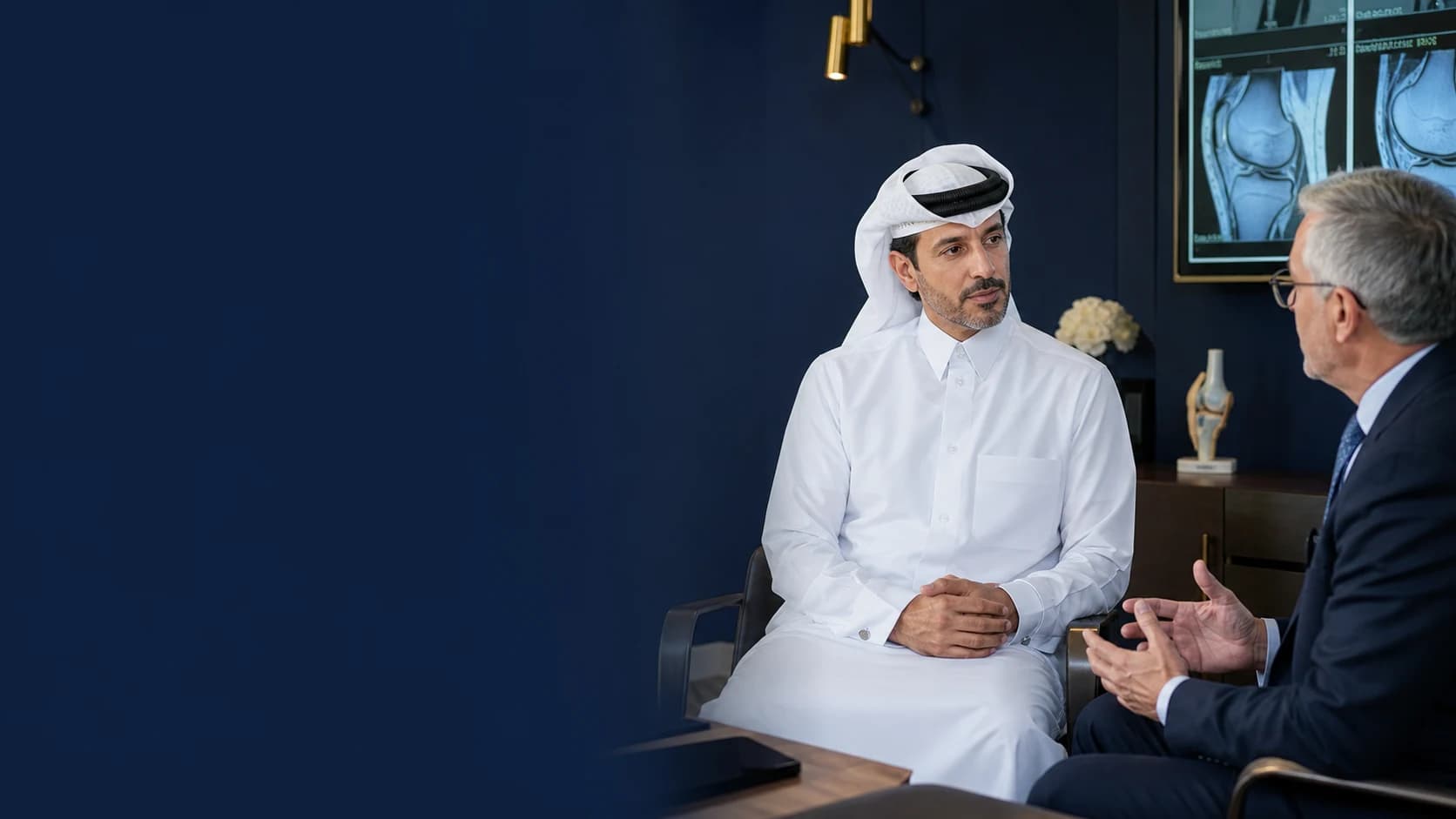
International patients · Qatar
Patients from Doha travel for Professor Paul Lee’s ACi and MACi expertise, NanoACi and the wider Nano family, Structure-led STACi, ChondroFiller and Mytocel MSK.
Read the International Patient Guide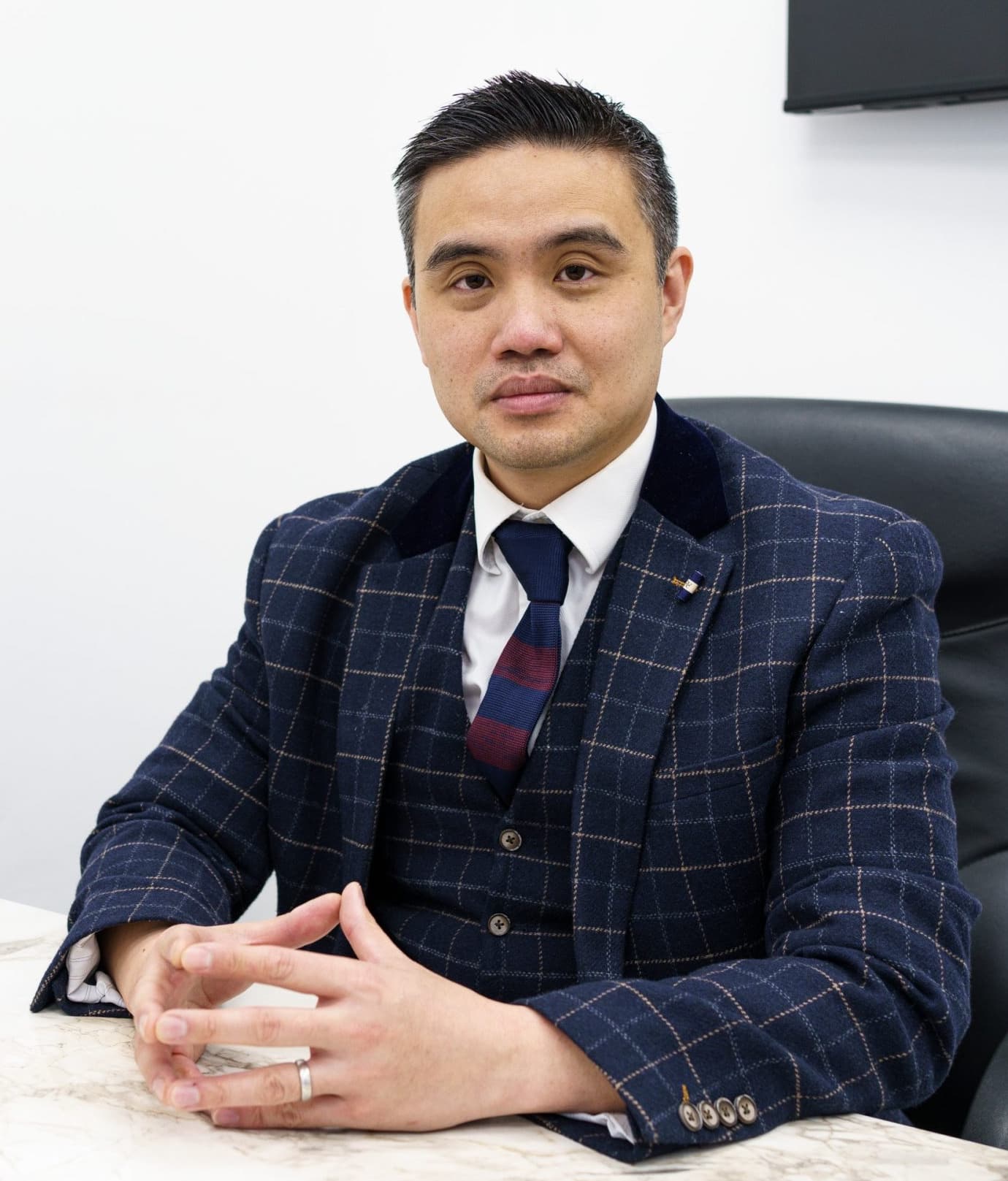 Reviewed byProfessor Paul Lee MBBch, FRCS (Tr & Orth), PhDCartilage and joint preservation expertise
Why London Cartilage Clinic
Qatar has advanced healthcare, so the reason to travel is not routine orthopaedics. It is to obtain a focused opinion from Professor Paul Lee and access treatment pathways that may not be available as the same combination at home.
Patients searching for ACi or MACi can compare those established approaches with NanoACi, the tissue-specific Nano family and STACi, which adds surgical Structure where required. ChondroFiller and Mytocel MSK provide further scaffold and autologous-micrograft options within the same specialist service.
Searching for “جراحة الغضروف في لندن”?That is us, cartilage surgery in London.
Why patients travel for treatment
Patients from Qatar often arrive searching for ACi or MACi because those are the best-known cartilage cell treatments. They remain important. The assessment also shows where NanoACi, the wider Nano family, the Structure-led STACi pathway, ChondroFiller or Mytocel MSK may fit more precisely.
The recognised starting point
The established search terms for cell-based cartilage regeneration. Professor Lee uses them as the familiar reference point when explaining the newer non-surgical and surgical pathways.
Non-surgical RegenRepair™
NanoACi for cartilage, NanoAMi for meniscus, NanoATi for tendon and NanoALi for ligament adapt Seed, Soil and Signal to the tissue being treated.
Surgical RegenRepair™
When alignment, stability or the damage pattern needs surgery, STACi addresses Structure before adding the Seed, Soil and Signal cartilage-regeneration biology.
Standalone or within a pathway
Mytocel MSK provides living autologous micrografts; ChondroFiller provides a collagen scaffold. Each has a standalone role and both sit within Professor Lee’s wider regenerative toolkit.
Been told replacement is your only option?
A specialist review can establish whether cartilage regeneration or joint preservation remains realistic. This depends on the distribution of wear, bone, alignment, stability, meniscus and ligament—not simply age or the label of arthritis.
NanoACi and STACi deliberately sit on different sides of the non-surgical/surgical divide. Professor Lee recommends the pathway the joint can support and will not present regeneration as a substitute where replacement is the sounder option.
Every alternative-to-replacement statement is a clinical judgement made only after a full assessment. Suitability depends on your individual case.
Most relevant treatments

The better-known cell-based cartilage regeneration procedures, kept as a clear starting point and assessed alongside NanoACi and the Structure-led STACi pathway.
Find out more
Professor Lee’s Seed, Soil, Signal framework, adapted into NanoACi for cartilage, NanoAMi for meniscus, NanoATi for tendon and NanoALi for ligament.
Find out more
A non-arthroscopic cartilage-regeneration pathway combining autologous micrografts, a collagen scaffold and platelet-rich fibrin in one image-guided session.
Find out more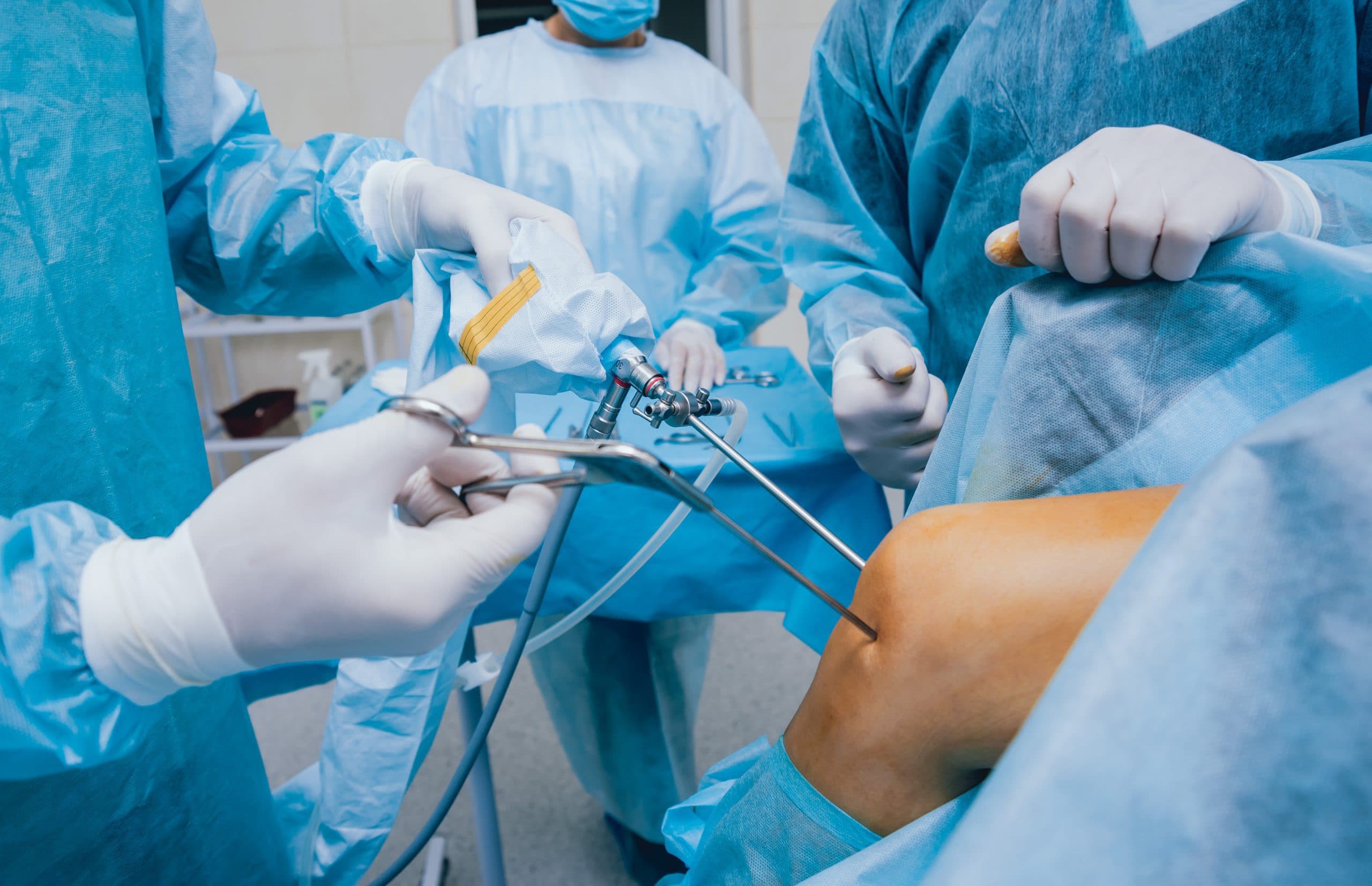
Professor Lee’s surgical RegenRepair™ pathway: Structure first, then Seed, Soil and Signal for cartilage damage that needs mechanical correction or stabilisation as well as regeneration.
Find out more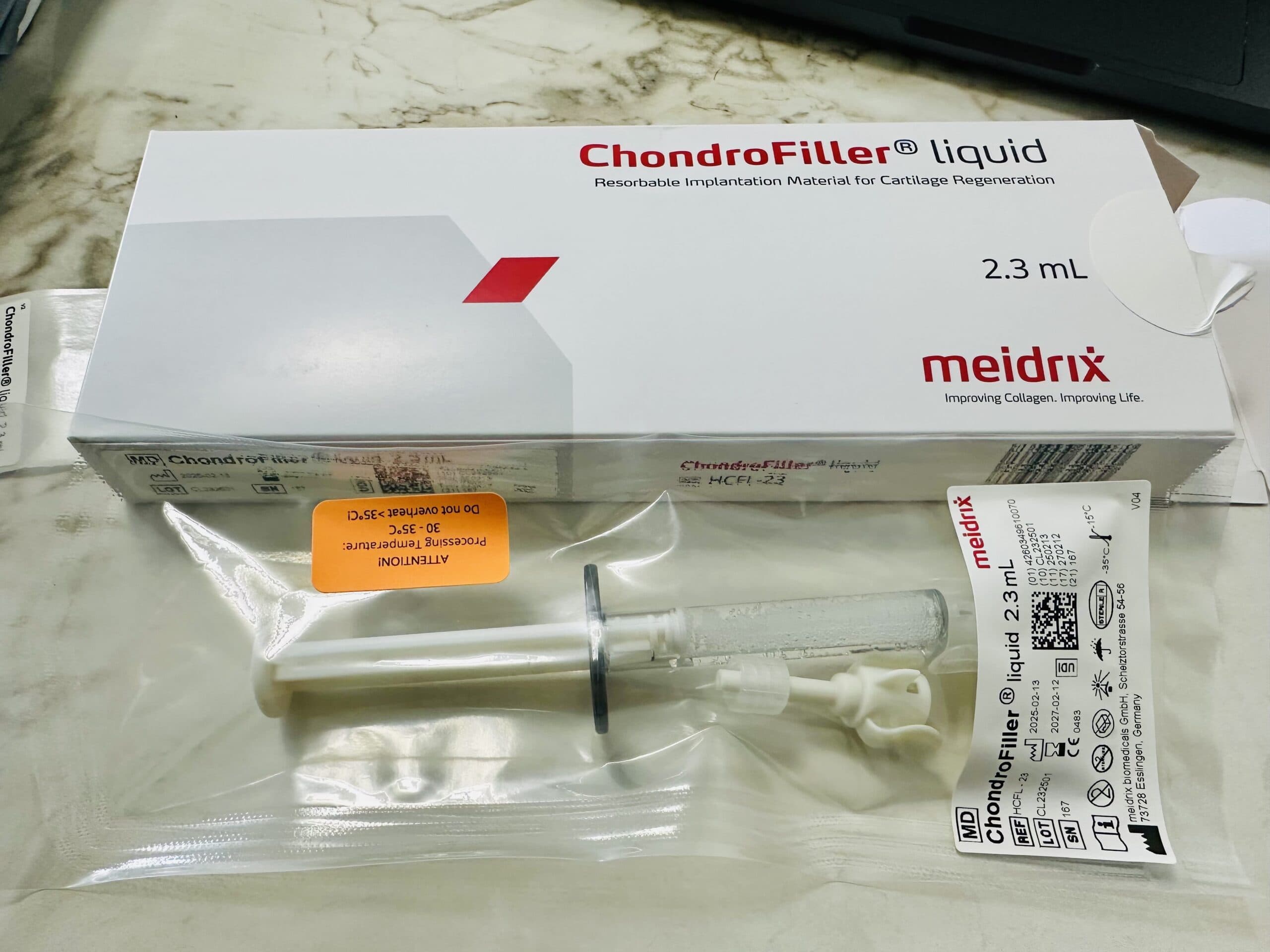
Collagen cartilage regeneration delivered by injection, made by Meidrix Biomedicals GmbH. The clinic was the first in the UK to offer it as an injection.
Find out more
A single-session regenerative injection using living autologous micrografts prepared chair-side from a small sample of the patient’s own tissue.
Find out moreGetting here
Doha has frequent direct services to London. Most planning can happen remotely, allowing the London stay to focus on examination, any additional imaging, treatment and the first review.
Direct flights make London a practical specialist-care destination, usually around seven hours depending on schedule.
Recent MRI images and reports can be organised before the virtual consultation so Professor Lee sees the full case.
The clinic, hotel, transfers and early recovery can be coordinated around the patient and accompanying family.
Visiting us
66 Harley Street
London W1G 7HD
United Kingdom
A partner hospital on Weymouth Street, a few minutes from Harley Street. Imaging is arranged for you as part of your pathway.
Central London, a short walk from Regent’s Park, Oxford Circus and Bond Street underground stations.
Costs and insurance
The clinic quotes in pounds sterling and the patient’s payment provider converts from Qatari riyals. A written estimate is prepared after the clinical plan is defined.
Private cover or sponsored overseas care must be confirmed by the payer before travel. Where no written guarantee of payment is accepted, treatment is direct pay and an itemised invoice is provided for any later claim.
Authority
International patients are usually choosing between a small number of world specialists, so the surgeon matters more than any single treatment. Your consultation, your treatment and your follow-up are all with Professor Paul Lee.
International patients · Qatar
ACi and MACi are useful established starting points, but the value of the London assessment is the wider choice. Professor Lee can compare them with NanoACi, the wider Nano family, Structure-led STACi, ChondroFiller and Mytocel MSK against the same imaging and goals.
Yes. A virtual consultation can review the history and scans, identify missing information and explain whether an in-person assessment or treatment visit is justified.
Yes. The concierge pathway can take an accompanying family member into account when coordinating accommodation, transfers and the timing of appointments.
Yes. Subject to patient consent, reports and rehabilitation requirements can be shared, and later progress can be reviewed remotely after the necessary early London checks.
Wherever you are travelling from, the first step is the same. Talk it through on a discovery call, or have a virtual consultation with Professor Lee before you plan any travel.