

RegenRepair™ · Cartilage pathway
NanoACi
Autologous Chondrogenic Injection
NanoACi is a non-surgical cartilage-regeneration protocol. In one session Professor Paul Lee delivers three components by injection: your own cartilage micrografts, a ChondroFiller scaffold and ArthroZheal PRF prepared from your blood.
 Reviewed byProfessor Paul Lee MBBch, FRCS (Tr & Orth), PhDCartilage and joint preservation expertise
Quick answer
NanoACi is an injection that regenerates cartilage using your own tissue. Professor Lee delivers your cartilage cells, a ChondroFiller scaffold and ArthroZheal PRF into the joint in one thirty-minute session, with no surgery. It brings the Seed, Soil and Signal framework into an outpatient appointment. Where imaging shows that the joint first needs mechanical correction or surgical defect preparation, STACi is the relevant surgical pathway instead. Regeneration made simple. Taking the surgical trauma out of surgery.
NanoACi—also written Nano ACi—means a non-arthroscopic, needle-delivered, one-stage autologous chondrogenic injection technique.
Verified across three networks
Trusted by patients on Doctify, Google and Top Doctors
Identify the structural problem
Cartilage damage is not one diagnosis
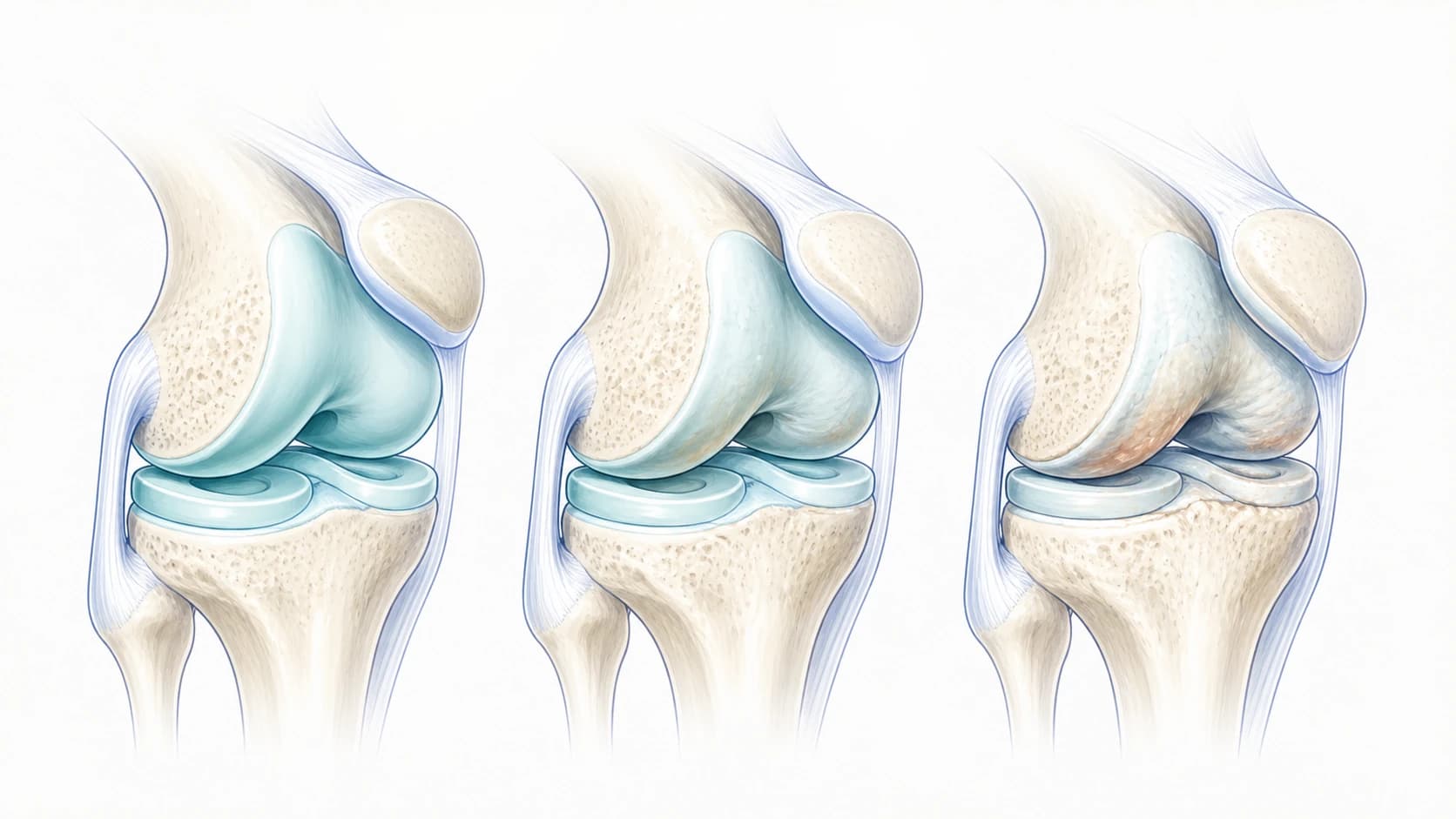
A focal defect, more widespread wear and advanced joint change are different damage patterns. Examination and imaging establish what is driving the problem and whether a non-surgical cartilage pathway is proportionate.

RegenRepair™ for cartilage
Mytocel MSK Seed, ChondroFiller Soil and ArthroZheal Signal
Ear-cartilage micrografts prepared with the Mytocel MSK technique provide the living Seed. ChondroFiller provides a type-I collagen Soil, while ArthroZheal platelet-rich fibrin provides an autologous fibrin matrix and biological Signal from the patient's blood.

A staged pathway
Assess, prepare, deliver and protect recovery
The treatment session sits inside a longer plan: define the joint on imaging, prepare the patient's own tissue on the day, deliver the combined biology precisely, then protect and progressively reload the joint.

The Mytocel MSK step mechanically prepares the small cartilage sample into micrografts while retaining cells with their surrounding matrix. Nothing is sent away for weeks of laboratory culture; the components are prepared and delivered in the same appointment.
Where NanoACi sits
The cartilage cell therapy family
For thirty years the goal has been the same: use your own cartilage cells to rebuild a worn joint. Each generation has made the delivery better. NanoACi is the first to do it without surgery.
NanoACi at a glance
One session, no surgery
A single outpatient injection under local anaesthetic, start to finish in around thirty minutes. No general anaesthetic, no incision, no theatre.
Autologous Seed and Signal
The cartilage micrografts come from your own ear and the ArthroZheal PRF is prepared from your own blood. ChondroFiller is the cell-free type-I collagen scaffold placed with them.
Any joint, any age
Used for the knee, hip, shoulder and ankle. There is no age limit; whether NanoACi suits your joint is decided on examination and imaging.
Why the cells come
from your ear
It surprises most people, so it is worth explaining. The cartilage in your outer ear is a type called elastic cartilage, surrounded by a layer called the perichondrium that is rich in progenitor cells, the cells that can become new cartilage. Gram for gram, it holds more of this regenerative potential than the smooth cartilage inside a joint.
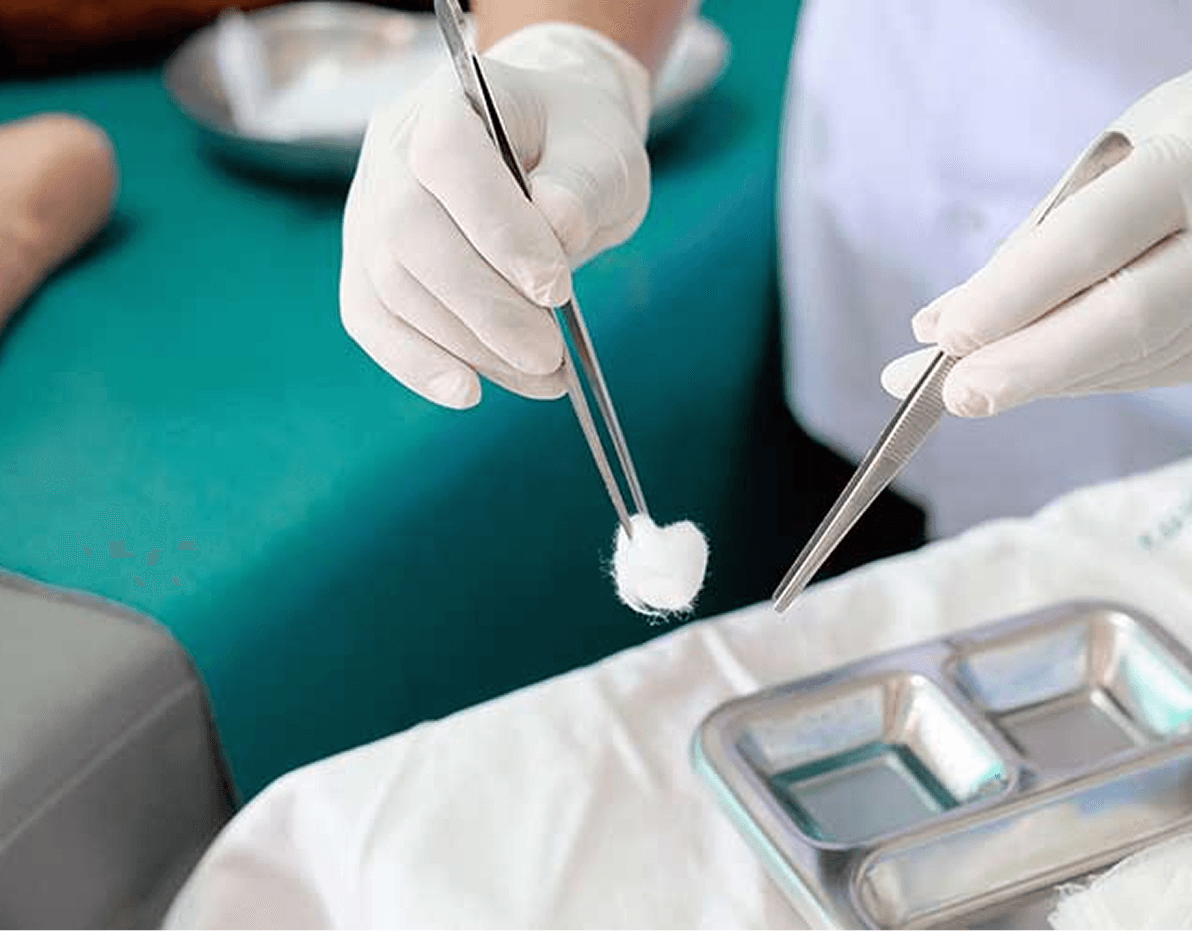
It is also easy to reach and quick to heal. Only three small samples of around 2.5 mm are taken, under local anaesthetic, from behind the ear where any mark is hidden. The same principle is already used in reconstructive surgery, where ear cartilage is valued for exactly these properties. Taking cells from the joint itself would mean disturbing the very surface you are trying to protect.
What NanoACi treats
NanoACi is used across the range of cartilage wear and damage. The right option for your joint is set by examination and imaging, not from symptoms.
Osteoarthritis and cartilage wear
From early cartilage wear through to advanced, bone-on-bone joints, where the pattern of damage is reviewed on imaging.
Cartilage injury and chondromalacia
Focal cartilage damage and softening, including chondromalacia patellae behind the kneecap.
Sports and soft-tissue injury
Post-traumatic joint injury in active people, where early treatment may head off arthritis later.
NanoACi is offered for the knee, hip, shoulder and ankle. Which joints suit it best is confirmed at assessment.
What to expect
2 to 6 weeks
Typical time to less pain and stiffness
One session
A single injection, not a course
Up to 3 years
Reported benefit from one treatment
These figures come from published studies of the auricular micrografting technology and of ChondroFiller. NanoACi is Professor Lee’s protocol for delivering them together, and he will explain what the evidence does and does not yet show for your particular joint. Cartilage cell therapy improves symptoms and joint function; long-term regrowth of new cartilage continues to be studied.
Who NanoACi is for
There is no age limit and no grade of wear that rules NanoACi out on its own. Imaging and a consultation with Professor Lee confirm whether it is right for you, and what to pair it with.
Often a good fit
- Cartilage wear you want to treat without surgery
- Focal cartilage damage or chondromalacia
- Advanced, bone-on-bone wear, usually paired with an Arthrosamid injection
- Wanting to avoid or delay a joint replacement
- Active people after a joint injury, any age
When we would talk it through first
- Active infection in or around the joint
- Active autoimmune disease on immunosuppression
- A tumour in or near the joint
- Ear cartilage unsuitable as a donor site
Been told your only option is a joint replacement? Bone-on-bone wear does not rule NanoACi out. Professor Lee will set out the honest options, which may include NanoACi with Arthrosamid or a replacement review. That is what an assessment is for.
The evidence behind NanoACi
NanoACi brings together approaches that each have their own published research. The auricular micrografting technology behind the Mytocel MSK step has been studied in knee osteoarthritis by Marcarelli and colleagues (a three-year follow-up), by Tsoukas and colleagues (a prospective observational study) and by Helito and colleagues (a clinical pilot). ChondroFiller, the scaffold, has its own body of evidence for supporting cartilage repair.
NanoACi is Professor Lee’s protocol for delivering them together in a single session. As with any newer combination, the honest position is that the strongest evidence sits with each component, and outcomes for the pairing are reported case by case. Professor Lee will walk you through what applies to your joint at consultation. See the full NanoACi evidence page.
The manufacturer, Remedi, reports the micrografting technology behind the Mytocel MSK step has been used in over 450,000 procedures worldwide across medical fields and is supported by more than 80 scientific publications. Those figures describe the technology’s wider track record, not London Cartilage Clinic’s own case numbers.
Pricing
NanoACi cost in the UK
£8,000, or £8,500 all-inclusive at London Cartilage Clinic. an MRI scan, your consultation, the NanoACi session and one follow-up
Regeneration made simple. We take the surgical trauma out of cartilage repair, delivering your own cells, a scaffold and ArthroZheal PRF in a single session.
RegenRepair™ · Seed, Soil, Signal
Choose the tissue, then understand the pathway
The biological design is shared. The target, delivery plan and rehabilitation change with the structure being treated.
Cartilage damage
Current pageNanoACi
A one-stage, image-guided cartilage regeneration technique built around cartilage micrografts, collagen soil and a patient-derived signal.
Explore NanoACi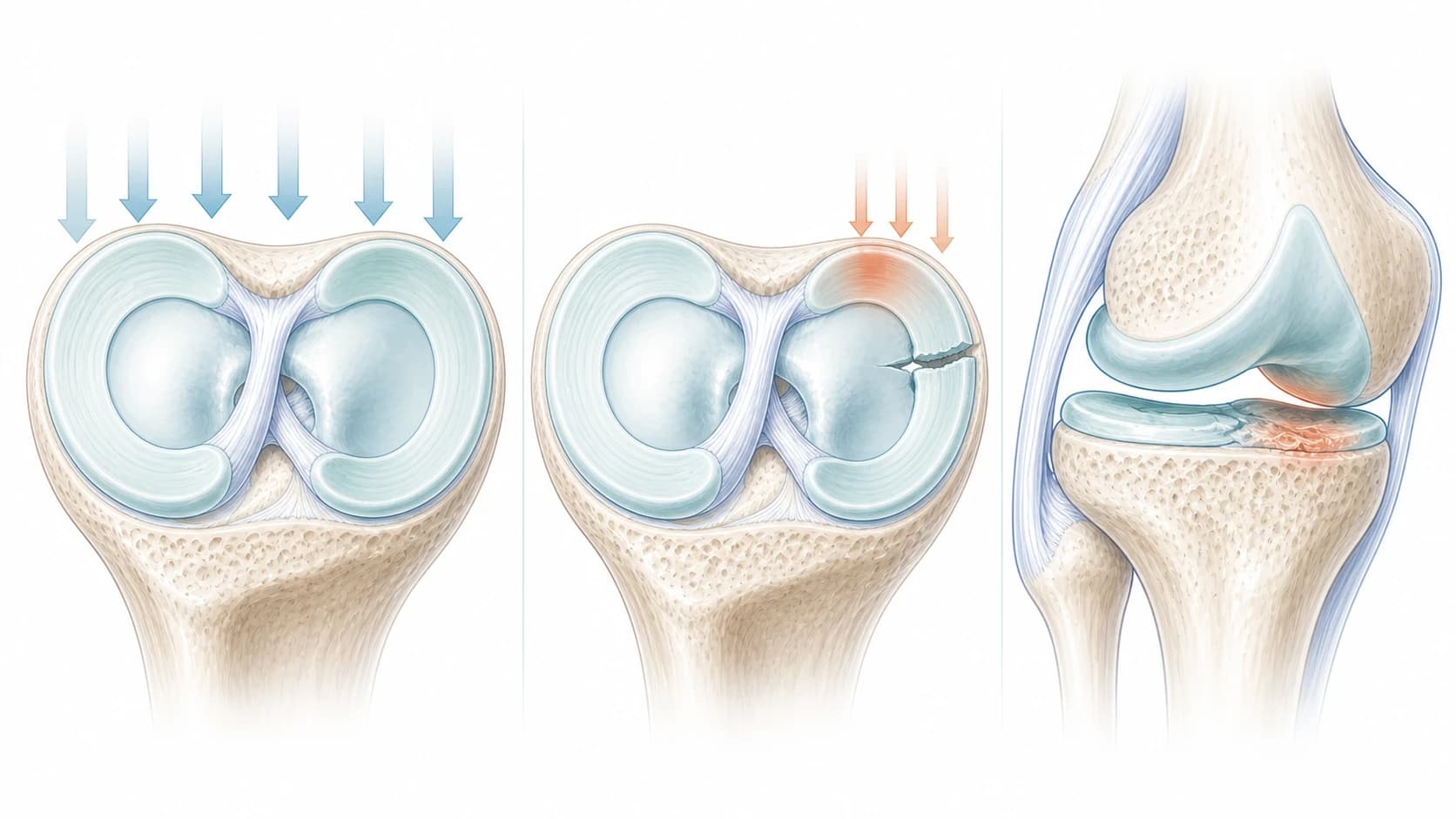
Stable meniscus damage
NanoAMi
A non-surgical pathway using autologous fibroblast-rich micrografts for suitable stable partial-thickness tears, intrasubstance damage and wear.
Explore NanoAMi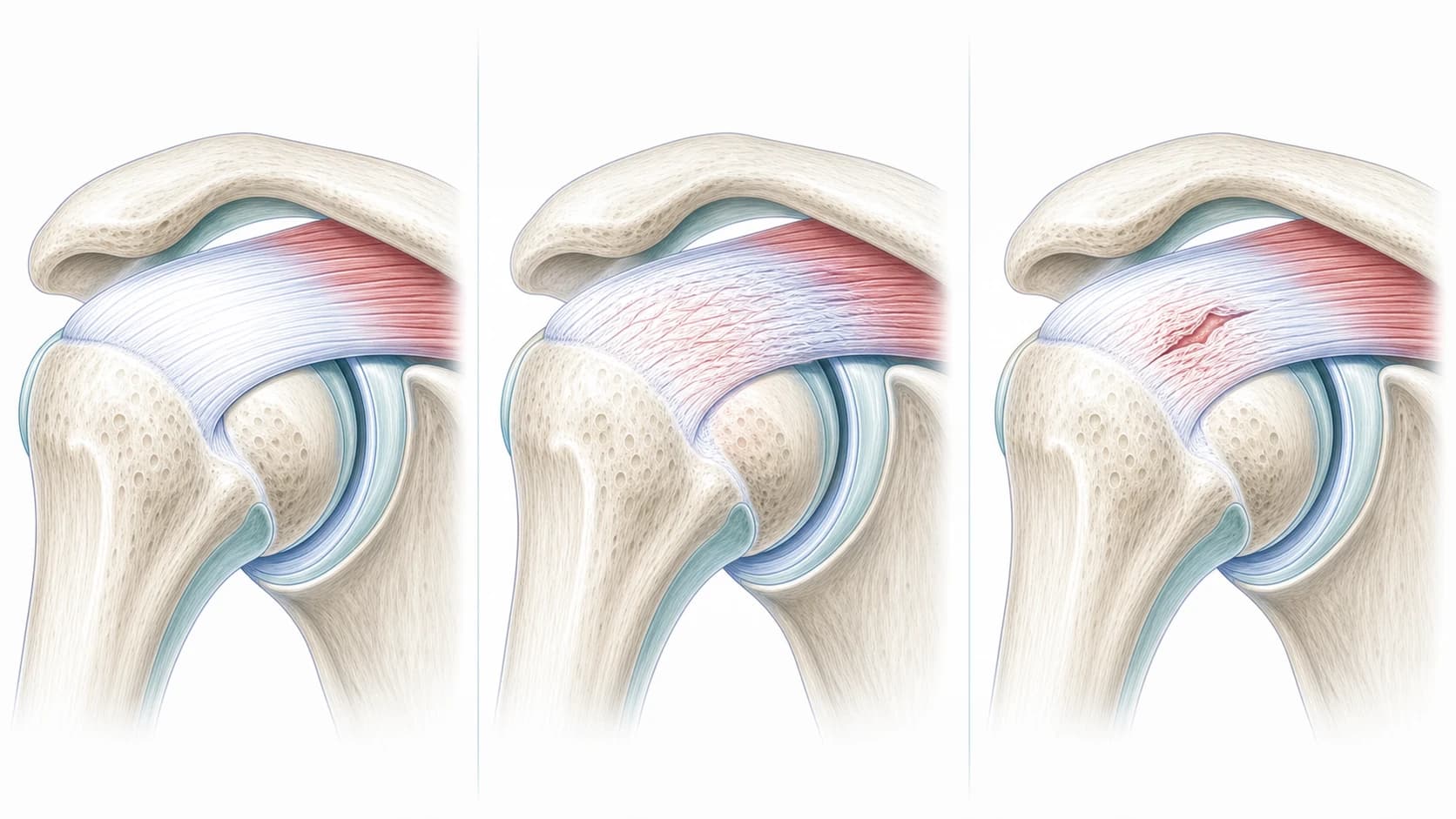
Tendon injury
NanoATi
A tendon-specific Seed, Soil, Signal pathway using autologous tenocyte or fibroblast-rich micrografts, precise targeting and rehabilitation adapted to the injured tendon.
Explore NanoATi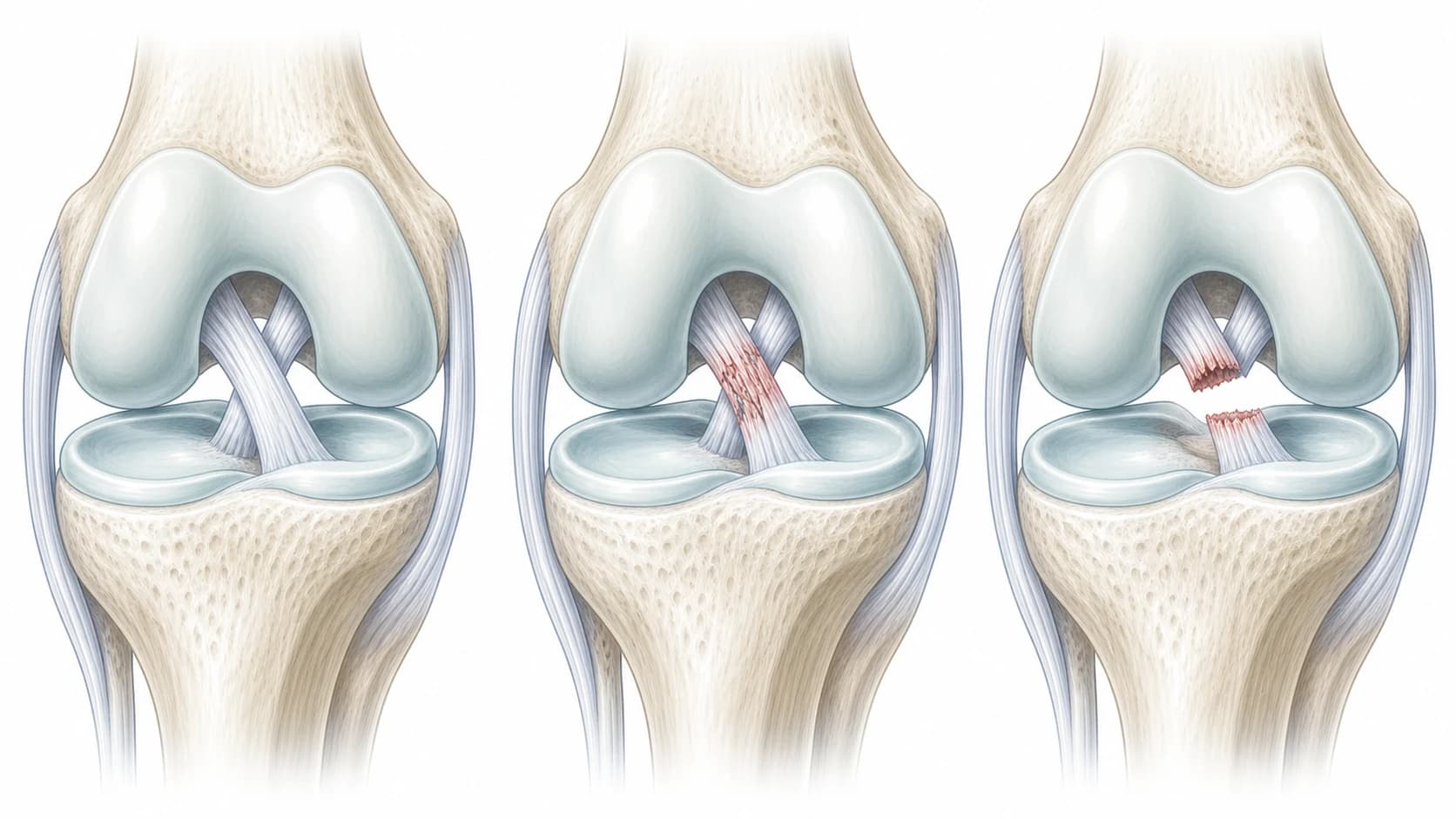
Ligament injury
NanoALi
A ligament-specific Seed, Soil, Signal pathway for suitable ACL, MCL, elbow UCL and ankle-ligament injuries, delivered non-surgically or used alongside repair where appropriate.
Explore NanoALiYou may have more options than you think
Most patients have more treatment options than they have been told
At London Cartilage Clinic we follow a structured clinical framework across four areas of treatment. Before recommending a single procedure, we assess which combination of approaches gives you the best outcome.
Preserve
Protect what you have. Slow degeneration and manage symptoms.
Repair
Fix specific damage. Torn tissue, unstable joints, structural problems.
Regenerate
Rebuild lost tissue. Biological treatments that stimulate new growth.
Replace
When other options are exhausted. Joint replacement as a last resort.
This treatment can be applied across multiple joints. Select yours to see the full range of options we offer, organised by clinical approach.
Explore All Treatment Options
Frequently Asked Questions
What is NanoACi?
NanoACi is an injection protocol for cartilage regeneration, invented by Professor Paul Lee. In a single outpatient session he delivers three components: your cartilage cells (prepared from a small ear sample using the Mytocel MSK technique), a ChondroFiller collagen scaffold, and ArthroZheal PRF prepared from your own blood. It is the non-surgical member of the cartilage cell therapy family that also includes ACI, MACI and STACi.
Is NanoACi surgery or an injection?
An injection. There is no general anaesthetic, no incision and no theatre stay. The whole appointment takes around thirty minutes under local anaesthetic. The clinical dividing line is not convenience alone: STACi is used where the joint first needs surgical Structure work such as defect preparation, stabilisation or alignment correction.
Is NanoACi a product or a device I am being sold?
No. NanoACi is a technique, an injection protocol that Professor Lee performs, not a product or device. He prepares and delivers your own cells, the ChondroFiller scaffold and ArthroZheal PRF in a defined sequence in one session. Each component is used in its own right; the protocol is the way he brings them together for your joint.
Why does it use cartilage from my ear?
The cartilage in your outer ear is rich in cells with a high capacity to regenerate, held in a layer called the perichondrium. Only three samples of around 2.5 mm are needed, taken under local anaesthetic from behind the ear where any mark is hidden. The ear is simply the best accessible source of these particular cells; the treatment itself works in your joint.
How is NanoACi different from ChondroFiller on its own?
ChondroFiller is the scaffold, the soil that gives your own cells a structure to rebuild on. NanoACi adds the cells themselves, as your ear micrografts, and ArthroZheal PRF as the biological signal, so the scaffold arrives together with the tissue that builds on it. ChondroFiller alone is the simpler, lower-cost option; NanoACi is the fuller protocol.
How is NanoACi different from STACi surgery?
Both use a Seed, Soil and Signal architecture for cartilage. NanoACi delivers it without arthroscopy when the joint is mechanically suitable. STACi adds Structure: surgery is used to prepare the defect and deal with relevant alignment, stability or associated mechanical damage before the biology is placed. Professor Lee advises which lane fits after reviewing your imaging. See the full STACi page or the NanoACi vs STACi comparison.
I have been told I am bone-on-bone. Is it too late for NanoACi?
Not necessarily. Advanced, bone-on-bone wear is not a bar to NanoACi. In that situation Professor Lee will usually discuss NanoACi together with an Arthrosamid injection to cushion the joint, or a joint replacement review, and explain the honest trade-offs of each. What suits you is decided on examination and imaging, not from symptoms alone.
When will I feel better, and how long does it last?
Most people notice less pain and stiffness between two and six weeks after treatment. In studies of the auricular micrografting technology behind the Mytocel MSK step, benefit has been reported to last at least three years from a single session (Marcarelli et al., Journal of Clinical Medicine, 2021). Individual results vary with the joint, the extent of wear and your general health.
What does NanoACi cost?
NanoACi is £8,000, or £8,500 all-inclusive, which covers an MRI scan, your consultation, the NanoACi session and a follow-up. Booking your MRI and appointment together is the simplest way to start. See the NanoACi cost page.
Still have more specific concerns?
Free Discovery CallOptions that our doctors may discuss include NanoACi, ChondroFiller, Mytocel MSK, joint replacement, established conservative care or surgery, depending on examination and imaging.
Start with an MRI and a consultation
Had an MRI in the last six months? Bring it to a consultation with Professor Lee. If not, the simplest way to start is to book your MRI and appointment together, so your imaging is ready when you are seen. A free fifteen-minute discovery call can point you the right way first.